
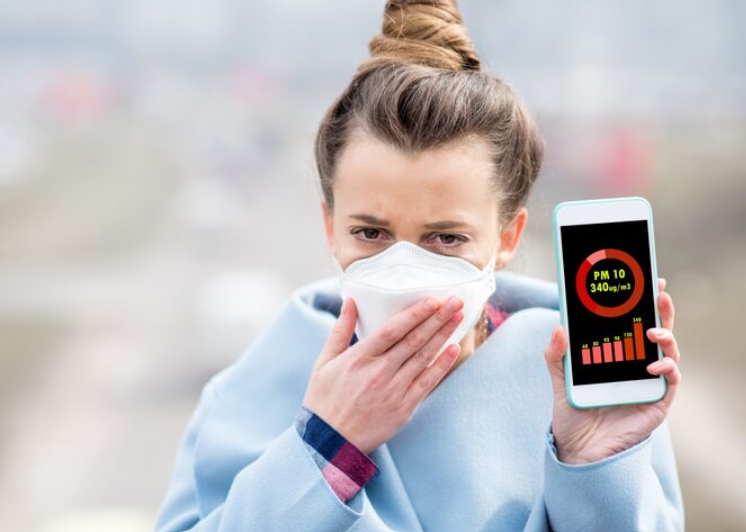
You check the weather app before heading out, and suddenly you see a notice: Air Quality Alert in your area. Should you cancel your plans? Is it serious? Or is it just a precaution?
When there are elevated levels of air pollution, air quality alerts are issued to monitor your health. You will then have an opportunity to take responsible steps to manage your exposure to health effects caused by smog.
What Is an Air Quality Alert?
An air quality alert is a public notification made by a government agency or organization that has information about poor air quality from an ambient air pollution level perspective. It is issued for events when pollutants measured using the Air Quality Index (AQI) are expected to become at-risk types based on the monitor’s evaluation of that particular batch of pollution.
Air pollution from trucks, factories, wildfire smoke, or weather will lead to air quality monitoring by authorities. Should the AQI reach certain levels over a specified time frame, authorities will issue an alert.
What Is an Air Quality Advisory?
An air quality advisory is a step before a more serious warning. It usually means pollution levels are high enough to affect sensitive groups, such as:
- Children
- Older adults
- People with asthma or lung conditions
- People with heart disease
Outdoor activities should generally remain safe for healthy adults, while those who are considered vulnerable should refrain from being outdoors. Advisories are based on the Air Quality Index (AQI) rating; therefore, advisories are generally issued when the AQI reaches greater than 100, or “Unhealthy for Sensitive Groups”.
When Does It Become a Warning?
An air-quality warning is a more severe warning than an air quality advisory. Air quality warnings are issued when there is an increase in air pollution to levels defined as “Unhealthy,” “Very Unhealthy,” and “Hazardous,” according to AQI levels.
When air quality is classified as hazardous, it typically means that the air will be harmful to all members of the population, not just the vulnerable.
Hazardous air can cause:
- Difficulty breathing
- Chest pain
- Severe coughing
- Eye and throat irritation
- Increased risk of heart attacks and asthma attacks
Warnings often recommend staying indoors as much as possible.
Why Are Air Quality Alerts Issued?
Air quality alerts are issued so that people can reduce their chances of becoming ill due to pollution-related emergencies. Pollution can rise quickly due to:
- Wildfire smoke
- Heavy traffic
- Industrial emissions
- Hot weather trapping pollution near the ground
- Dust storms
Without alerts, people may unknowingly expose themselves to dangerous air conditions, even during a dry air advisory.
What to Do During Air Quality Alert
Learning what to do when you receive an air quality alert may help prevent you from being exposed to elevated levels of air pollution and improve your health.
Here are practical steps to follow:
- Limit outdoor activities, especially exercise
- Keep windows and doors closed
- Use air purifiers if available
- Avoid burning candles or smoking indoors
- Stay hydrated
- Wear a high-quality mask if you must go outside
If AQI levels reach the air quality hazardous range, outdoor exposure should be avoided entirely.
Who Should Be Extra Careful?
While air pollution affects everyone, certain people are at higher risk during alerts:
- Babies and young children
- Older adults
- Pregnant individuals
- People with lung or heart conditions
- Outdoor workers
- Pets
For these groups, following guidance during an advisory or alert is especially important.
How Long Do Smog Alerts Usually Last?
Alerts can last a few hours or several days. It is all dependent on the cause of pollution. For example, smoke from wildfires will go away based on the changing wind direction. Heat-related pollutants may also eventually go away when the temperature drops.
Rain and wind are helpful ways to clean polluted areas more quickly. By checking daily updates, you can be prepared in case you need to continue with your regular activities.
Final Thoughts
Now you are aware what is air quality alert, as well as the difference between an ‘air quality advisory’ and an ‘air quality warning’, and how you should act during those alerts. There are no more excuses for not being sure of your response to those alerts.
Check AQISCANR to find out the AQI range around you.