
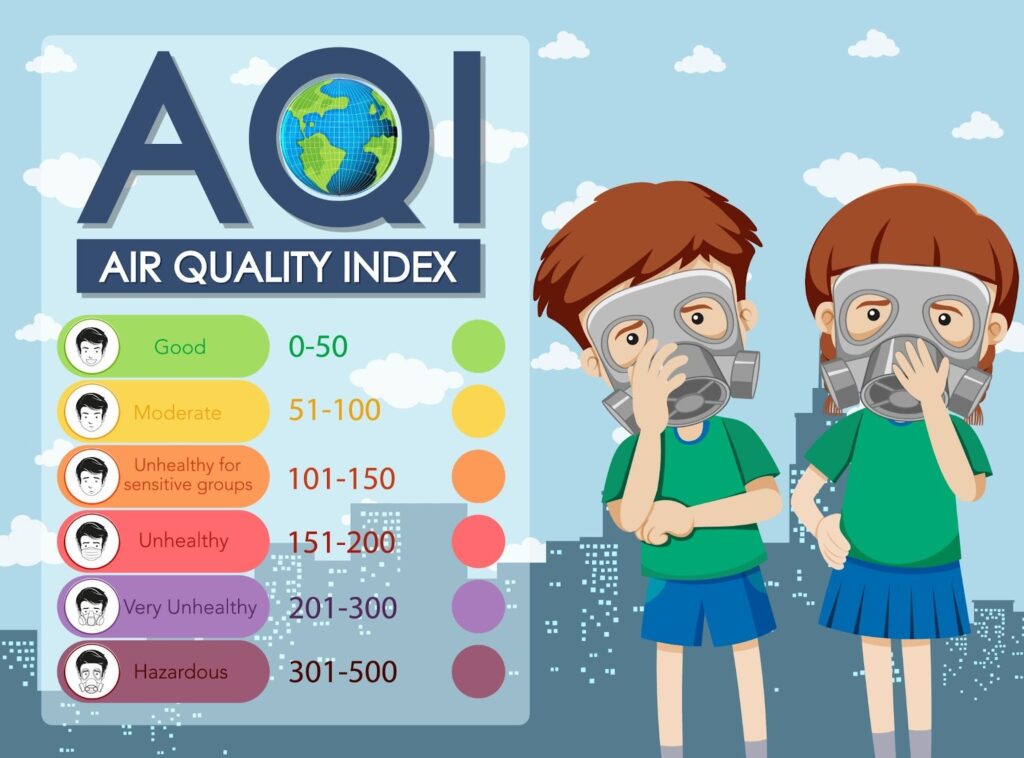
When the air becomes very dangerously polluted, it poses a risk to everyone, not just people with existing conditions. The Air Quality Index (AQI) reads 300 up to 500+, meaning there is extreme pollution in the air, and it is not safe for anyone to breathe the air, even for a very short period. Health warnings at this stage are extremely severe, and people should stay indoors altogether.
What Happens When Air Quality is Hazardous
An AQI above 300 is considered hazardous because extremely high levels of pollution mean there are very large amounts of harmful particles and gases in the air that go directly into the lungs with every breath. At such a level, the body can hardly protect itself from damage.
Under normal circumstances, our respiratory system filters out a number of pollutants. But when the air quality index goes over 300, the amount of pollutants is so excessive that our body’s defensive mechanisms are simply destroyed. Furthermore, even healthy individuals may feel the effects in a matter of moments.
That is the reason why an AQI in the hazardous range calls for a public health emergency to be declared.
Immediate Effects on the Body
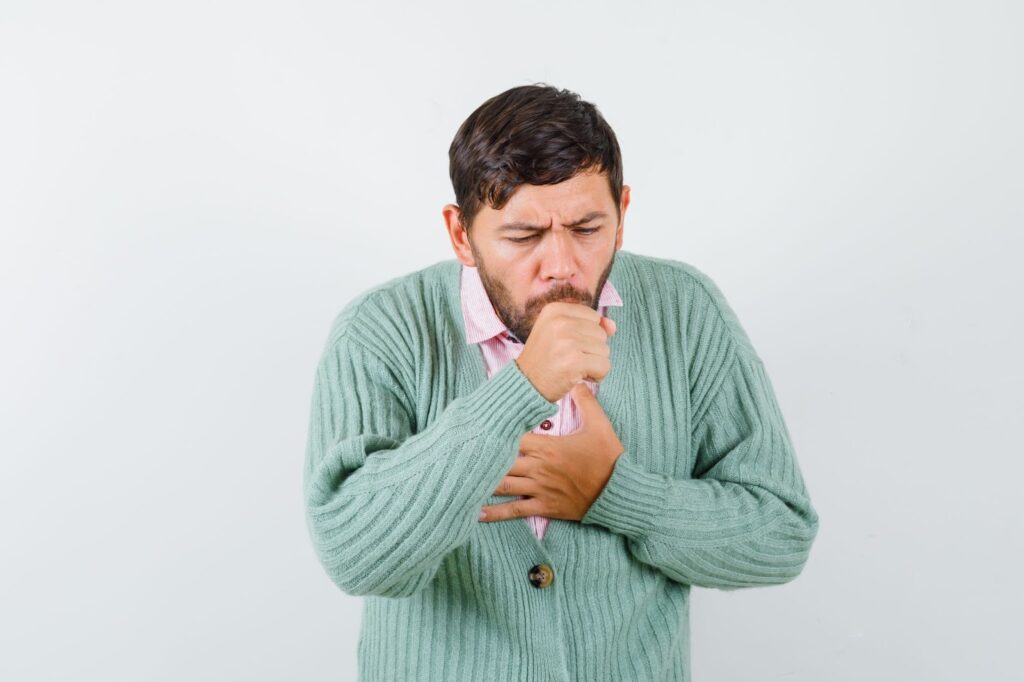
Once a person takes in air that is toxic, his/her body reacts almost instantly. The most frequent symptoms may make their appearance within minutes or a few hours at most. It is hard to breathe because the airways are not only open but also very much inflamed due to a lot of irritants in the air. There is pain in the chest, burning of the throat, or a rough cough that comes out.
Eyes become teary and itchy. In certain places, a prickling burn is caused by dust and smog entering the lungs. The body attempts to eliminate the intruders and responds with coughs and wheezes.
People who have asthma or any lung disease may rapidly get worse symptoms. There can be more attacks of asthma, and medicine may not give as much relief as it generally does. Healthy people, with no former conditions, might get short of breath or feel discomfort performing easy tasks.
Serious Risks for the Heart and Lungs
Very small pollution particles can pass from the lungs to the blood. When they get there, they can cause inflammation and heart problems. There can be chest pain or a rise in blood pressure. During such events of very poor air quality, those with heart disease are at a significantly elevated risk of having a heart attack or a stroke.
A prolonged stay, even if it is over just a few days, can leave permanent scars on the lung tissue and compromise lung function.
Why Children, Elderly, and Pregnant People Are at Higher Risk
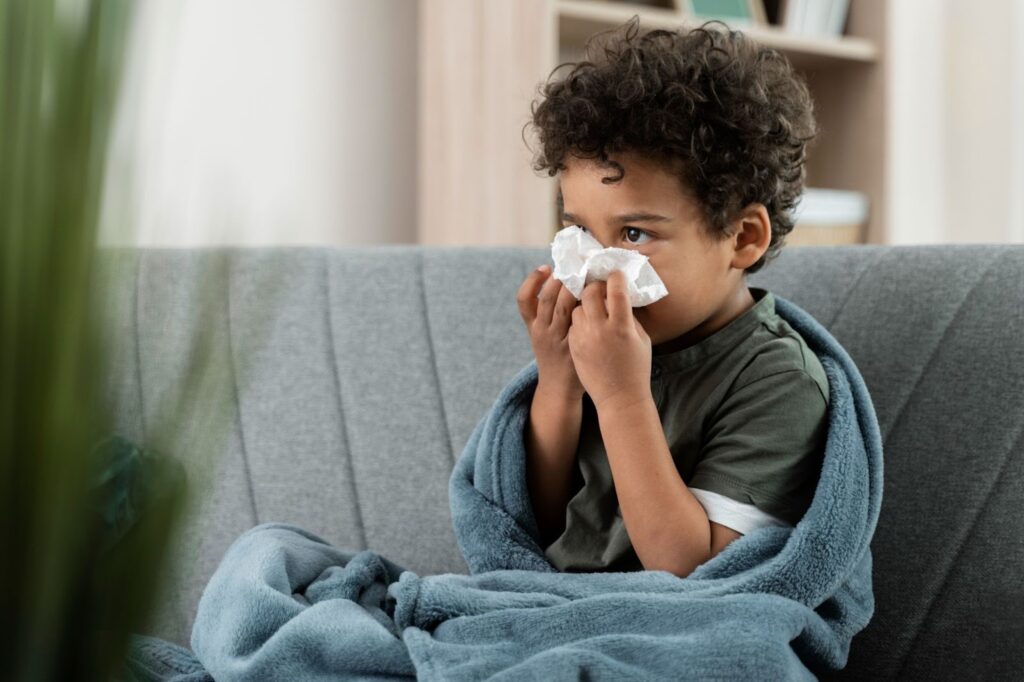
When the air quality index is at its most dangerous level, some people are more at risk than others.
Kids are more active respirators than adults and physically more active as well, so they take in more polluted air.
Older adults don’t have strong immune systems and are more likely to have underlying health issues. Breathing in dangerous air can lead to worsened respiratory symptoms and more hospital visits.
Pregnant people need to be careful. Contaminated air can lower the oxygen in the blood, thereby having an impact on the parent and the baby.
What Daily Life Looks Like During Hazardous AQI
When AQI is above 300, daily life changes quickly. Schools may close, outdoor work stops, and public health warnings urge people to stay indoors. Visibility often drops, making the sky look gray or brown. Even sunlight may appear dull or orange.
Can Short-Term Exposure Still Be Dangerous?
Yes. High AQI for even a short duration can be dangerous. Going out for just a few minutes can be enough to trigger symptoms in sensitive people. Several short exposures over a period of days increases the risk of getting seriously sick.
Final Thoughts
When the air quality has degraded to the level of being a serious health hazard, practically speaking, nobody remains safe in it. When breathing difficulties set in, the risk of health problems increases precipitously, and normal daily routine adjustments are necessitated.
Check AQISCANR for the air quality around you and take precautionary measures to stay safe.