
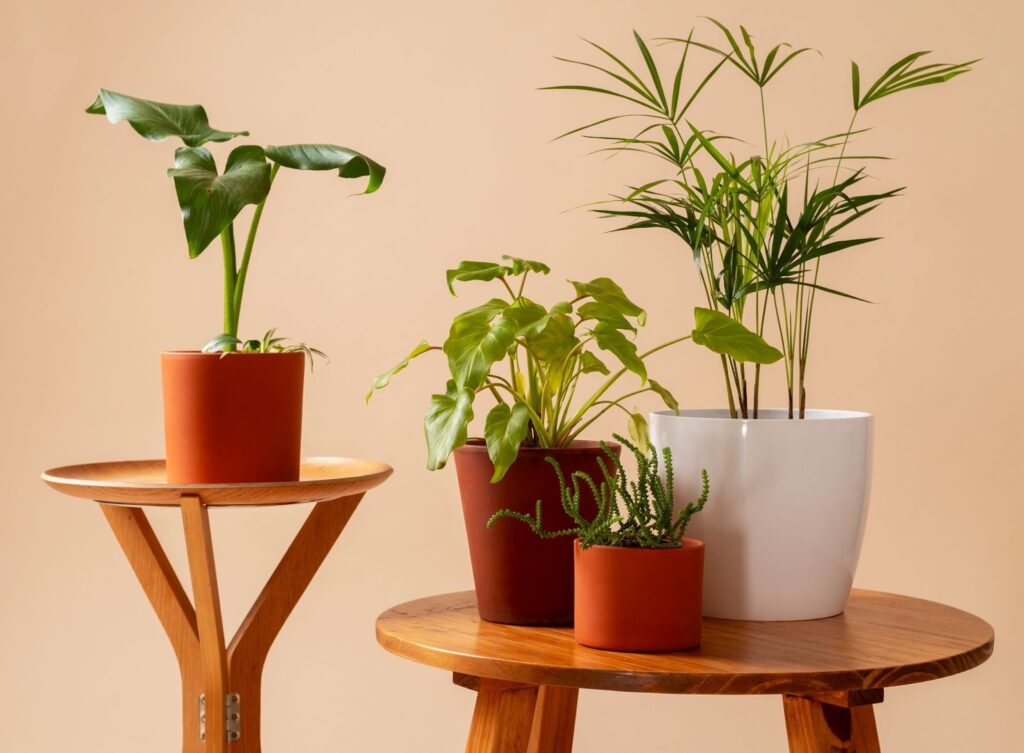
You can notice a real change in how you feel if you have clean air inside your house. It can help with sleep, breathing better, and keep you more alert. Lots of people use air purifiers and/or ventilation systems as a source of clean air, but many others use plants to create cleaner air naturally. But do plants really clean the air? If so, which ones are the best to use?
Let’s explore the best indoor plants for air quality, how they help, and what you should realistically expect.
Do Plants Actually Make a Difference in Air Quality?
Through photosynthesis, plants pull in carbon dioxide and exhale oxygen. A few species will also take in little quantities of indoor toxins through their roots and leaves. Studies have discovered that in controlled environments, some plants will help eliminate remnants of substances such as benzene and formaldehyde.
There are plants that help improve indoor air quality, but they will never replace your ventilation system or air purifier. You generally shouldn’t expect a great deal of impact from houseplants in an average-sized home, so it’s best to think of them as supplemental tools rather than total solutions.
However, even though plants that are good for air quality will not completely replace your ventilation system or air purification system, they can enhance your indoor environment in many ways. They will increase the humidity level in your home; therefore, they will help to lower your levels of anxiety and make your home feel fresher and calmer.
Best Indoor Plants for Air Quality
If you’re looking for the best plants for air quality, here are some popular and easy-to-care-for options:
1. Snake Plant (Sansevieria)
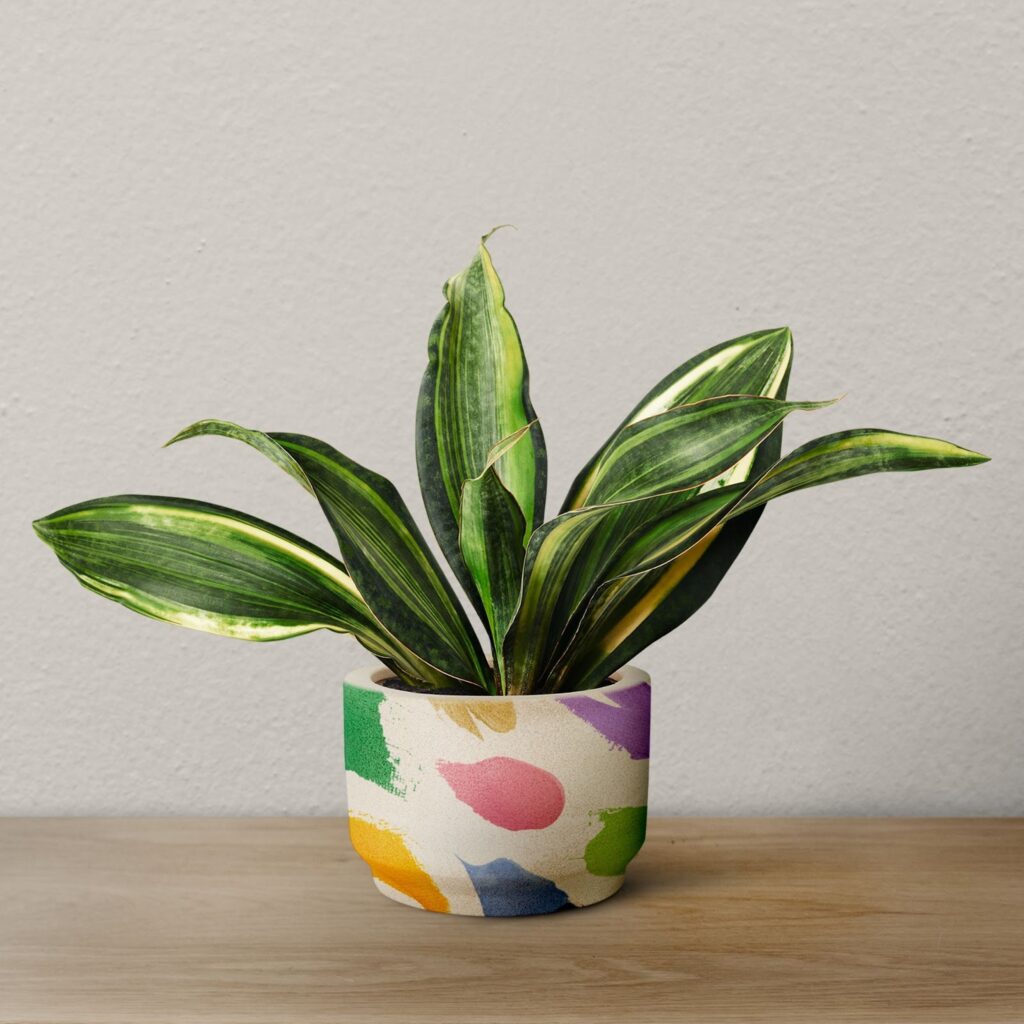
As an easy-to-care-for houseplant, the snake plant is considered to be one of the best plants to improve indoor air quality, since it releases oxygen during the night and so is excellent for bedrooms.
2. Peace Lily

The peace lily is another beautiful, low-maintenance houseplant. They have been shown to reduce toxic chemicals in the air and increase humidity in the home, both of which can be very beneficial in dry climates.
3. Areca Palm
This type of plant acts as a humidifier, especially helpful in areas that are air-conditioned and have dry indoor air.
4. Spider Plant
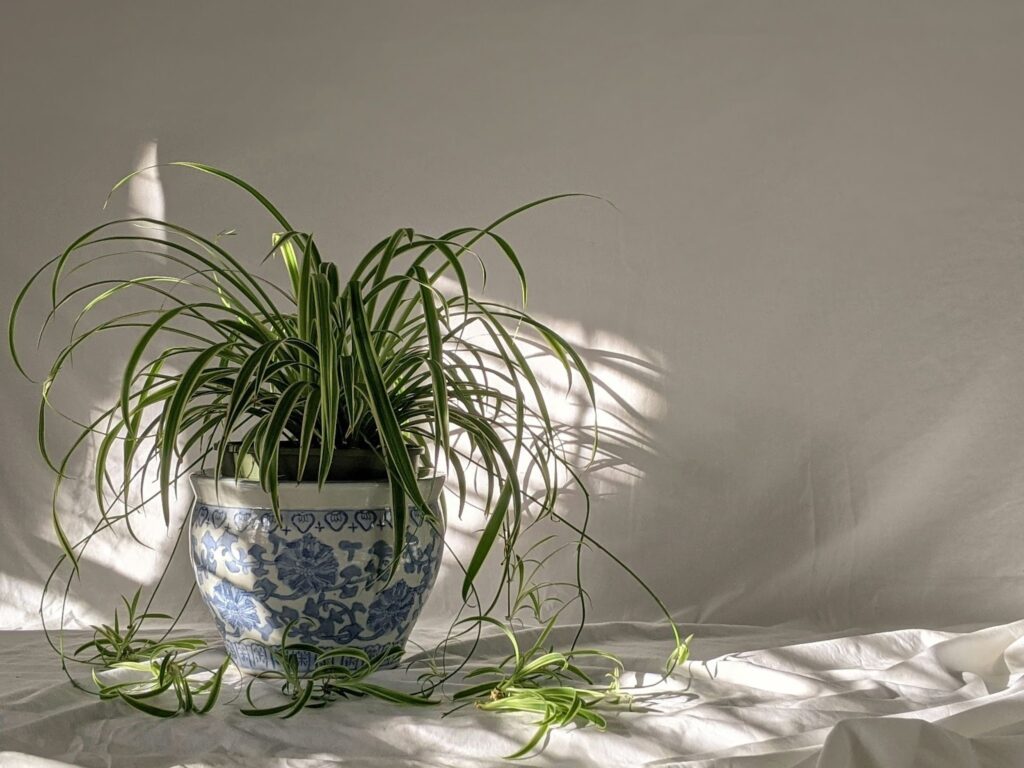
They grow with ease, are adaptable to various lighting situations, and are known to have a good reputation for their ability to improve air quality due to their hardiness and air filtering capabilities.
5. Aloe Vera
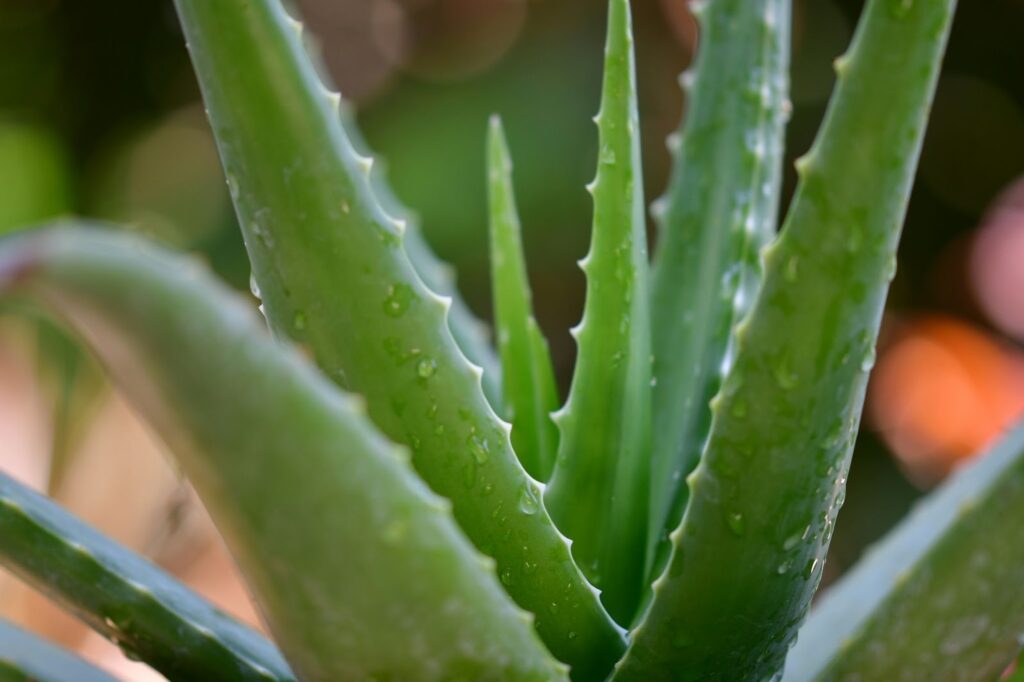
Aloe vera has a number of benefits for the skin along with a positive impact on the air quality indoors. It does that by releasing clean oxygen into the air and absorbing small amounts of pollutants.
These plants are good for improving the quality of the air, making them perfect for homes and apartments.
How Many Plants Do You Need in Your House to Improve Air Quality?
The answer to this question is that a large number of plants would be required to help purify the air quality at home. A few plants placed in a home would not make a huge impact on the air quality.
A practical approach is:
- 1–2 medium plants per small room
- 3–5 plants in larger living areas
This might not be the complete answer to air purification at home, but it does help to create a healthy indoor air quality.
Tips for Improving Indoor Air Quality with Plants and Natural Solutions
If you want real results, combine plants with other natural strategies.
- Open windows regularly when outdoor air is clean
- Avoid smoking indoors
- Reduce use of strong chemical cleaners
- Keep dust levels low by vacuuming and wiping surfaces
- Place plants near windows where they receive proper light
- Use natural ventilation whenever possible
Plants work best as part of a bigger indoor air strategy.
Why Plants Still Matter
Even though plants might not completely purify the air at home, they do offer a lot of benefits. They create a healthy indoor environment. They help to create a relaxing atmosphere. They help to create a healthy mood. Many people feel a sense of comfort when they are around plants.
Having the best indoor plants for air quality makes your home look good. It also provides your home with a sense of health. It provides your home with a sense of comfort. It provides your home with a sense of relaxation.
Final Thoughts
So, do plants actually make a difference in air quality? Yes, but in a supportive way rather than a dramatic one. The best plants for air quality help create a healthier indoor environment when combined with good ventilation and clean living habits.
If you’re wondering how many plants do you need in your house to improve air quality, remember that a handful per room is helpful, but they should be part of a broader plan.
Adding plants good for air quality to your home is a simple, natural step toward fresher air and a more peaceful living space. Check the AQI around you with AQISCANR after adding the plants to see the difference.