
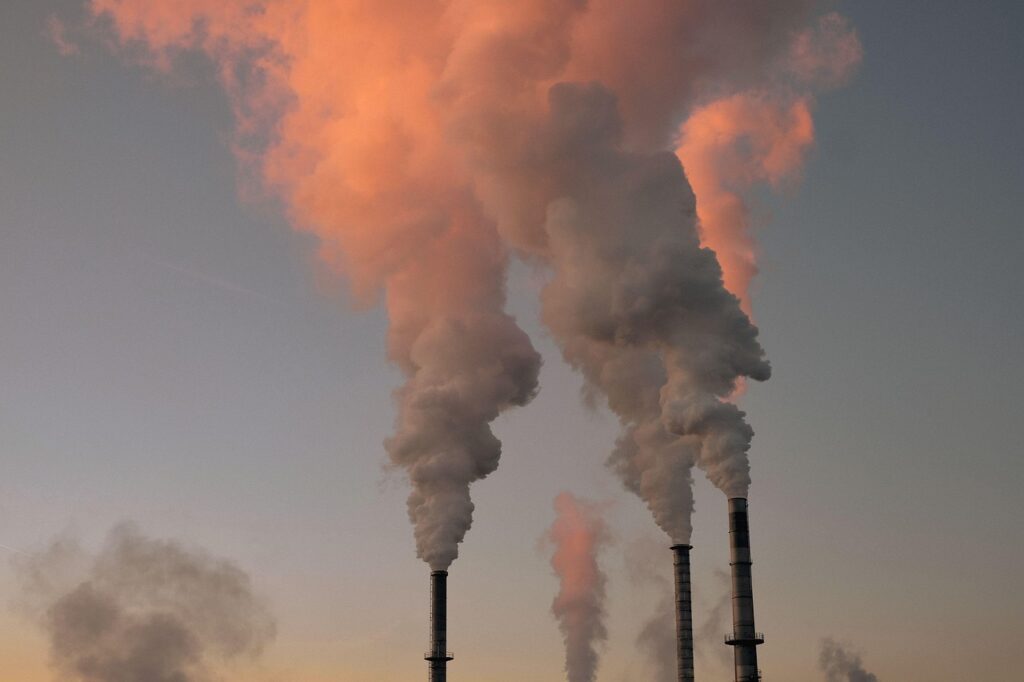
Everyone needs clean air, but children, babies, and pets need it even more. Their bodies are more sensitive, and they react faster when there are pollutants in the air. What adults might consider just a “slightly bad air day” could be very damaging to small children and animals. If a family recognizes that the air quality has become dangerous, they will be able to take their health into consideration and act to prevent any symptoms.
Not only do children have small bodies that can absorb more pollutants per unit of time, but generally, pets go down to the floor, where pollution levels are also usually higher. That is why the symptoms can show up very quickly and be quite intense. Parents and pet owners who take notice of air quality warnings can decide on their plans at a very early stage and save the children and pets from getting viral infections and other diseases by going out less.
Why Children, Babies, and Pets Are More at Risk
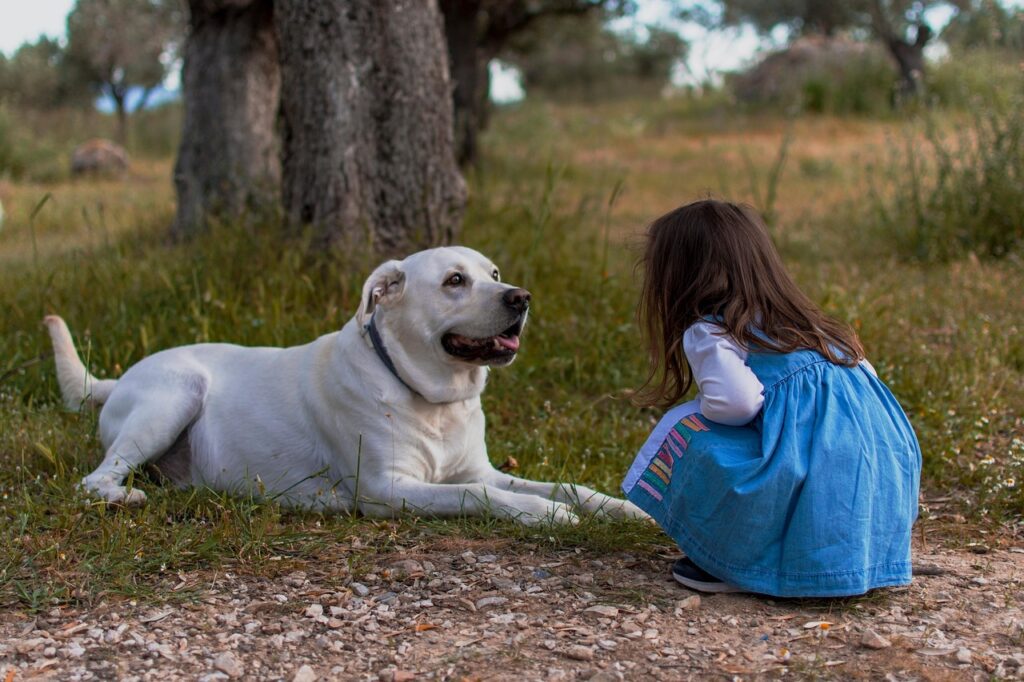
Children and babies breathe faster than adults. This means they take in more air and more pollution, relative to their body size. Their lungs are still developing, so dirty air can interfere with healthy growth.
Pets, especially dogs and cats, are also close to the ground where pollution levels are often higher. Dogs breathe faster when walking or playing, which increases exposure to harmful particles.
Because of this, air quality bad for babies and pets becomes dangerous at lower pollution levels than it does for healthy adults.
Air Quality Levels That Cause Concern
Air quality is measured using the Air Quality Index (AQI). As AQI numbers rise, the air becomes more harmful.
Here’s how different levels affect children, babies, and pets:
- AQI 0–50 (Good)
Safe for everyone. Outdoor play and walks are fine. - AQI 51–100 (Moderate)
Usually okay, but babies and sensitive children may feel mild irritation. - AQI 101–150 (Unhealthy for sensitive groups)
This is where problems can begin. Air quality bad for babies often starts here. Outdoor play should be limited. - AQI 151–200 (Unhealthy)
Air is unsafe for children, babies, and pets. Staying indoors is strongly recommended. - AQI 201+ (Very unhealthy to hazardous)
Dangerous for everyone. The outside exposure should be kept to a minimum.
How Bad Air Affects Babies and Children
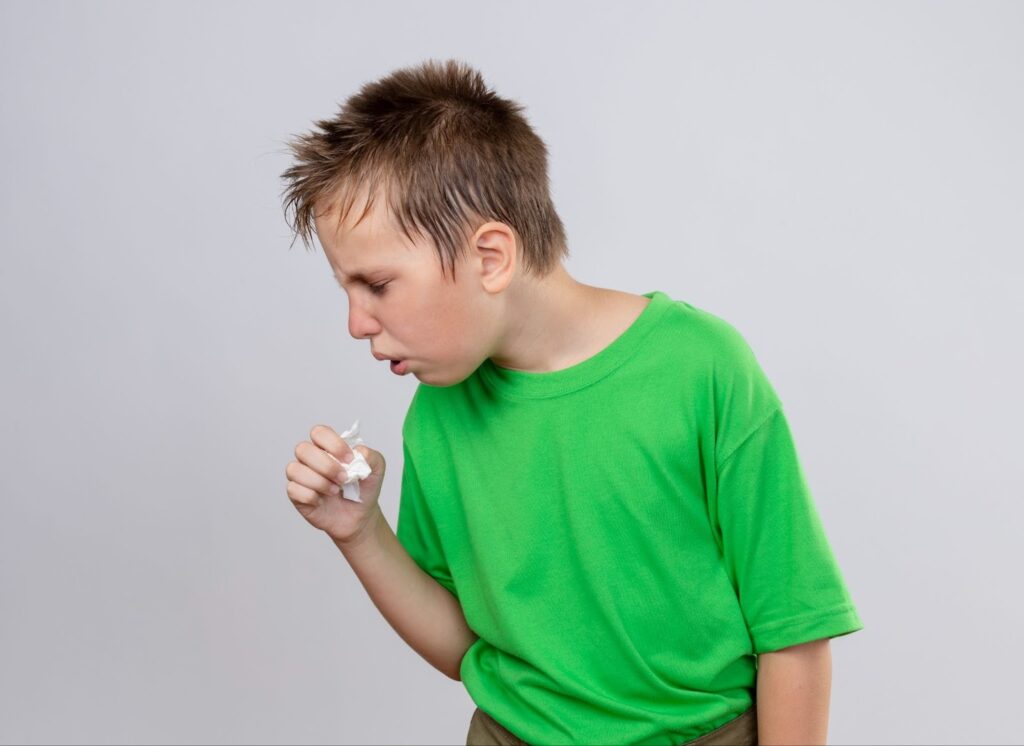
Children’s health and development can greatly suffer from the effects of poor air quality in the short and long term. Some of the symptoms may be
- Coughing or wheezing
- Runny nose
- Eye irritation
- Breathing difficulties
- Extreme tiredness
- Unusual irritability
- Asthma symptoms are getting worse
Repeated exposure can lead to increased risk of asthma, lung infections, and slowing down of lung growth. Therefore, parents should not consider the bad air quality for babies as a minor issue but rather as a serious one.
How Bad Air Affects Dogs and Other Pets
Pets can’t tell us when they feel unwell, so it’s important to watch for warning signs. Air quality bad for dogs can cause problems quickly, especially during walks or outdoor play.
Watch for:
- Heavy panting or coughing
- Low energy or reluctance to move
- Watery eyes or nasal discharge
- Vomiting or unusual behavior
Short-nosed dog breeds, older pets, and animals with heart or lung conditions are especially vulnerable. When the air quality for dogs reaches unhealthy levels, outdoor walks should be shortened or skipped entirely.
When Should Kids and Pets Stay Indoors?
You should strongly limit outdoor exposure when:
- AQI goes above 100 for babies and sensitive children
- AQI crosses 150 for all children and pets
- Smoke, smog, or strong odors are present
- Air quality alerts are issued
During these times, indoor activities are the safest option.
How to Protect Children, Babies, and Pets Indoors
Staying inside helps, but indoor air needs care too.
Helpful steps include:
- Keep windows and doors closed
- Use air purifiers if possible
- Avoid burning candles or incense
- Reduce cooking smoke
- Keep pets indoors except for short bathroom breaks
Clean indoor air can greatly reduce the impact of outdoor pollution.
Final Thoughts
Children, babies, and pets are affected by air pollution faster and more intensely than adults. If families know the signs that air quality is bad for babies and air quality is bad for dogs, they can act early and prevent the health risks.
When the level of pollutants in the air increases, it is advisable to stay indoors, change the schedule, and look out for any signs of illness so as to protect the most vulnerable members of your family. Fresh air is an essential requirement of healthy growth and contented pets.
Check the air quality around you with AQISCANR.