

Breathing is something that is done naturally by the body. Every day, your body is taking in oxygen from your lungs to function properly. However, sometimes the air that you are taking in is not good for your body. When you are around bad air quality, you are putting bad things into your body every time you breathe. Being around bad air quality can hurt your body, especially your lungs and heart.
There are a lot of bad things in air, such as small particles, smoke, chemicals, and gases. These are all small enough to get into your body almost immediately.
What Happens Inside the Lungs
The first part of your body to be hurt by bad air quality is your lungs. When you are taking in bad air, small particles are entering your body through your nose and throat, then into your lungs.
The small particles in bad air are called fine particles (PM2.5), which can get into your lungs, where you get oxygen in your body. When these particles get into your lungs, they irritate the lining of your airway.
This irritation may cause:
- Coughing
- Wheezing
- Throat irritation
- Increased mucus production
The body tries to defend itself in this way, which leads to coughing or inflammation to expel the foreign particles. Repeated exposure can cause weakening of the lungs and difficulty in breathing.
Short-Term Effects of Breathing Polluted Air
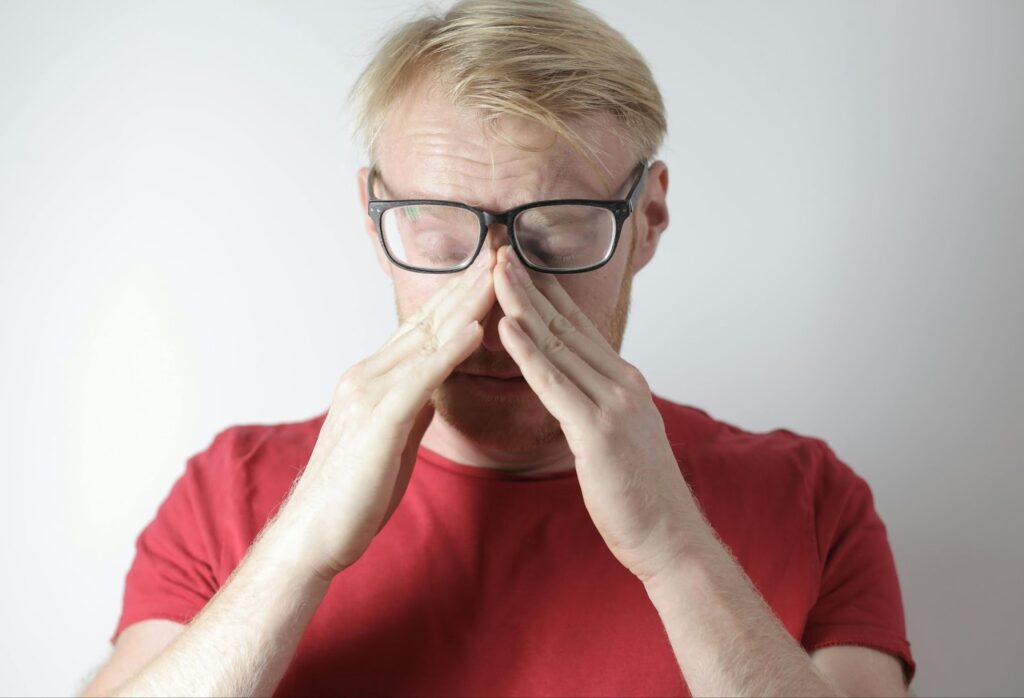
When people are exposed to bad air quality, they can develop symptoms within minutes or hours. The symptoms are temporary and can be uncomfortable and disturbing.
Common short-term symptoms include:
- Burning or watery eyes
- Headaches
- Shortness of breath
- Chest tightness
- Fatigue or dizziness
Exposure to bad air quality during outdoor activities can cause more severe symptoms since more air is inhaled into the lungs during deep breathing.
How Pollution Affects the Heart
Air pollution does not only cause problems with breathing. The particles are too small to be filtered out by the lungs and can be transferred into the bloodstream. Once inside the bloodstream, they can cause inflammation and stress in the cardiovascular system.
Over time, this can increase the risk of:
- High blood pressure
- Irregular heart rhythms
- Heart attacks
- Strokes
People who already have heart conditions may experience worsening symptoms during periods of poor air quality.
Long-Term Health Effects
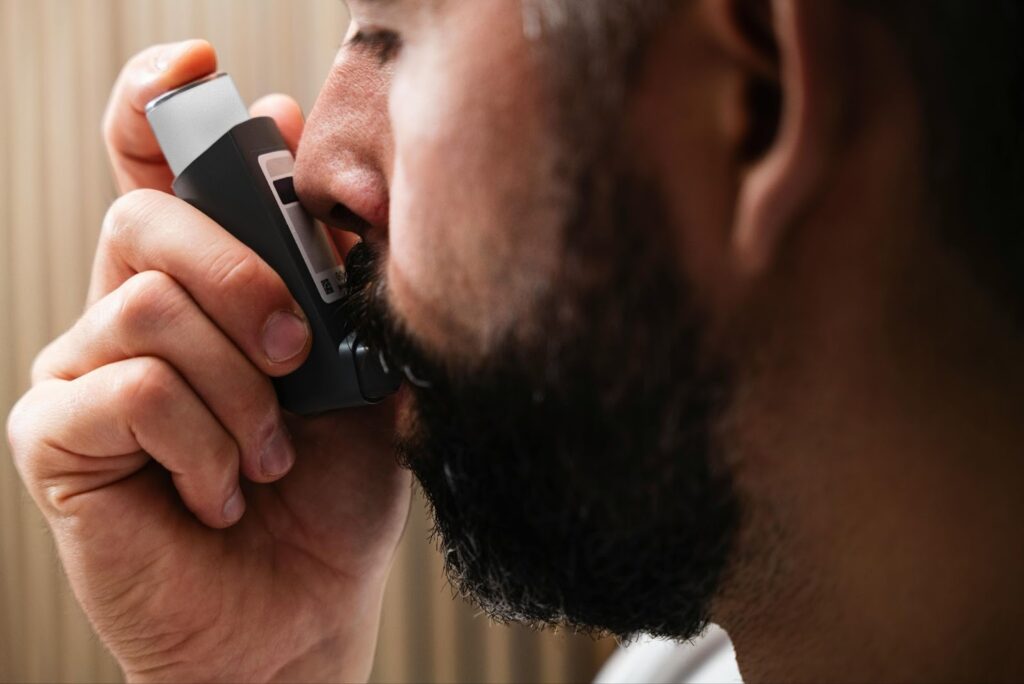
While short-term exposure to bad air quality can cause temporary discomfort, long-term exposure can cause more severe problems. Individuals exposed to bad air quality can develop long-term effects on their respiratory and cardiovascular systems.
Possible long-term risks include:
- Chronic bronchitis
- Asthma development or worsening symptoms
- Reduced lung function
- Increased risk of lung infections
- Heart disease
- Lung cancer in severe cases
Children are particularly vulnerable because their lungs are still developing. Long-term pollution exposure during childhood may affect how well the lungs grow and function.
What Happens During Hazardous Air Conditions
Pollution sometimes reaches extremely high levels due to events such as wildfires, industrial accidents, or heavy smog. During these conditions, the air becomes dangerous for everyone.
When people breathe hazardous air quality, the body may react strongly even after short exposure. Symptoms can include severe coughing, breathing difficulty, chest pain, and dizziness. Health officials often advise staying indoors during these periods to reduce exposure.
Outdoor activities become unsafe because every breath brings large amounts of pollutants into the lungs.
Who Is Most Sensitive to Polluted Air
Although polluted air affects everyone, some groups are more sensitive and may experience stronger symptoms.
Higher-risk groups include:
- Children and babies
- Older adults
- People with asthma or lung disease
- Individuals with heart conditions
- Pregnant individuals
Pets may also show signs of breathing difficulty during severe pollution events.
Why Pollution Levels Rise
There may be various causes for air pollution to rise. These may include excessive use of vehicles, industrial pollution, construction activities, and burning fuels. Sometimes, pollution may rise due to adverse weather conditions that trap pollutants close to the surface of the earth and allow pollutants to build up in urban areas.
Wildfires are another major reason for air pollution to rise.
Final Thoughts
Air pollution can harm the human body in more ways than people think. When pollutants enter the human body, it forces the lungs and heart to work harder.
Download AQISCANR and use it to check the current AQI and pollution levels at any given time to know if it is safe to breathe outside.