
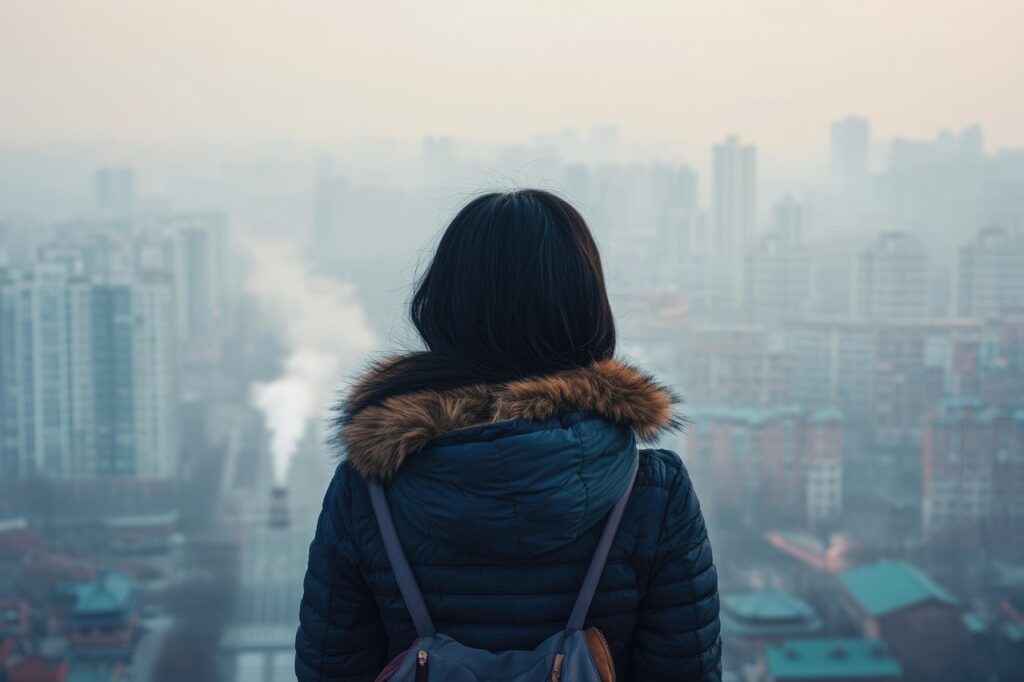
Most days, going outside seems harmless. A bit of fresh air, a short walk, catching some rays. It all sounds healthy. But there are days when being outdoors does more harm than good. When the pollution levels go up, breathing outside can put real stress on your body. Knowing what air quality should you stay inside helps you protect your lungs, heart, and overall health.
Pollution of the air is not always visible. Some days look bright even though they bring unhealthy air. This is the reason checking air quality reports should matter more than what things seem.
When Air Quality Becomes Unsafe
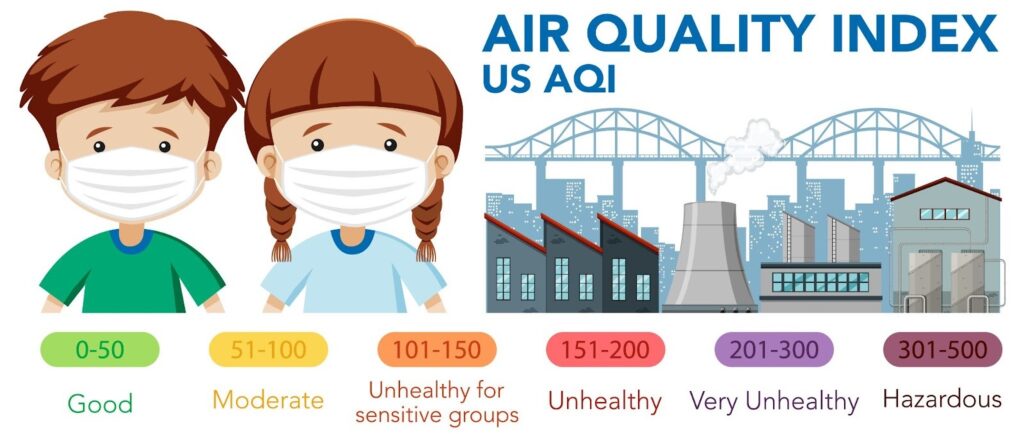
The measurement of air quality is done using the Air Quality Index (AQI). As AQI levels go up, breathing the air becomes more harmful. When levels have crossed certain limits, outdoor activities are unsafe because the quality of the air has dropped.
In general:
- 0–50: Air is clean and safe
- 51–100: Air is acceptable for most people
- 101–150: Sensitive groups may be affected
- 151–200: Unhealthy for everyone
- 201 and above: Very unhealthy to hazardous
Many people ask what air quality should you stay inside. A good rule is to limit outdoor time once AQI crosses 150, and stay indoors as much as possible when AQI goes above 200.
Clear Signs You Should Stay Indoors
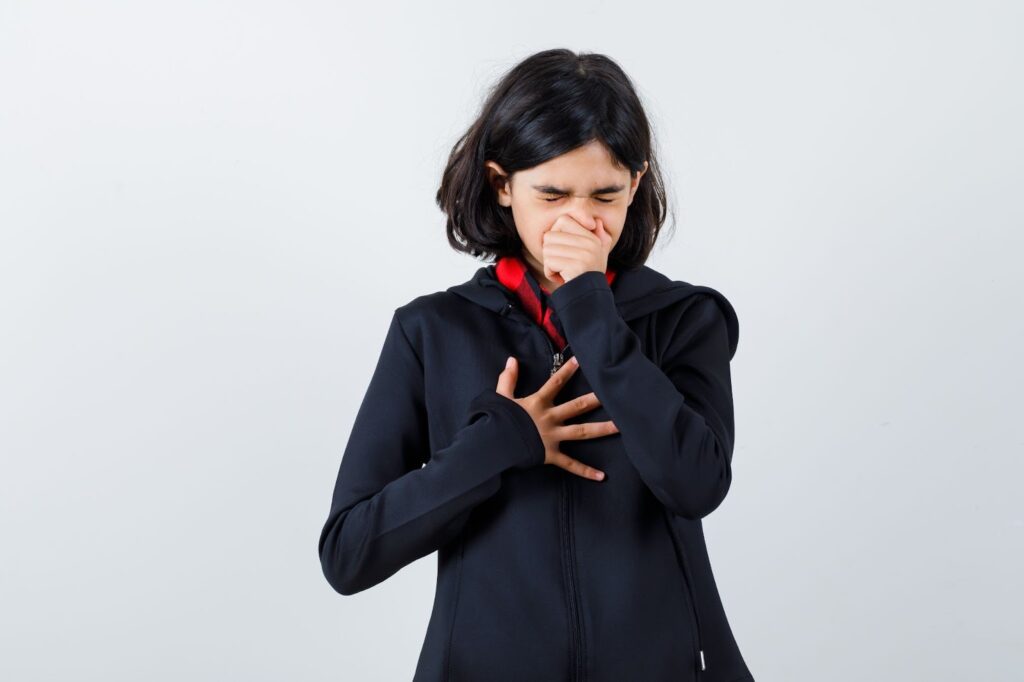
Sometimes the body gives signs long before you even think about checking an app. If you notice conditions that are prevalent outdoors, indoors is a safe bet.
- ͏Difficulty breathing or shortness of breath
- ͏Burning or irritation of the eyes, nose, and throat
- ͏Coughing frequently or feeling any tightness in your chest
- ͏Headaches, dizziness, or just feeling tired in an unusual way
- Strong smell of smoke or chemicals in the air
These will indicate most probably unhealthy air quality, except if they go away when you go inside.
People Who Should Be Extra Careful
Poor air quality will have an impact on everyone. However, there are certain categories of people who are at a higher risk and should stay indoors before others.
These groups include:
- Children, whose lungs are still developing
- Older adults with weaker immune systems
- People with asthma or other lung conditions
- People with heart disease
- Pregnant individuals
For these groups, knowing what air quality should you stay inside is especially important. Even AQI levels around 100–150 can trigger symptoms.
Situations When Staying Indoors Is Strongly Recommended
There are certain conditions when staying indoors isn’t optional—it’s necessary.
You should remain indoors when:
- AQI is above 150 for several hours
- Wildfire smoke is present, even if fires are far away
- Heavy smog reduces visibility
- Pollution alerts are issued by local authorities
- Outdoor air smells smoky, metallic, or chemical-like
During these times, air quality is unsafe even for short walks or light exercise.
What to Do If You Must Stay Indoors
While staying indoors is helpful, protection is also needed for indoor air. Polluted outdoor air can still find its way into homes.
Here’s how to stay safer inside:
- Keep windows and doors closed
- Use air purifiers if available
- Avoid activities indoors that generate smoke, such as burning candles
- Reduce cooking fumes by using exhaust fans
- Stay hydrated, it helps your body cope with pollution
If you really have to step outside for a bit, putting on a mask that filters out fine particles might help reduce exposure.
Is Exercise Safe During Bad Air Quality?
Exercise causes you to breathe faster and deeper. This implies that you take in more polluted air if the AQI is high.
If the AQI goes over 100, only sensitive people are at risk when going outside for exercise. If the AQI goes beyond 150, no one should go outside to exercise. The air quality is unsafe for physical exertion at these levels.
Indoor light stretching, yoga, or moving around is a healthier choice until the air gets better.
Final Thoughts
Polluted air can be dangerous. Being aware of what air quality level you should stay inside helps you make wise, healthy choices. Following air quality alerts, staying indoors when AQI gets high can help prevent serious breathing and heart problems.
If the air is visibly dirty, gives a strange smell, or causes discomfort, you should trust the signs. Staying inside for a day or two is a very small step that can greatly impact your health.
Check the AQI around you with AQISCANR.