

Having access to clean air is something that almost everyone assumes will always be the case, only recognizing its real value when the air becomes polluted.
Unfortunately, millions of people worldwide suffer from the consequences of poor air quality, which puts them at a higher risk not only of falling sick but also of dying. In fact, the outdoor air pollution factor is responsible for roughly 4.2 million premature deaths worldwide each year from various diseases such as heart disease, cerebral vascular accident, chronic pulmonary disorders, and infections.
Let us find out how exposure to polluted air can influence our body condition both in the short term and over a long period.
Short-Term Health Effects of Pollution
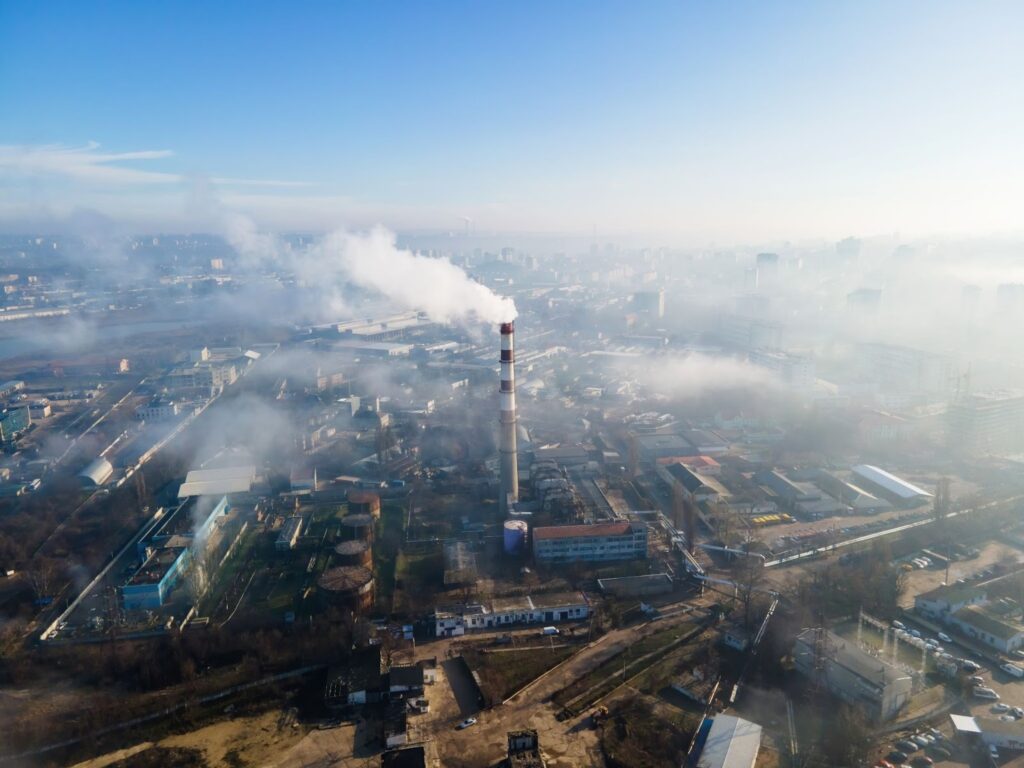
Once the air quality deteriorates, it influences people’s physical, mental, and emotional well-being in a number of ways. Changes are usually noticeable as symptoms of bad air quality in a matter of minutes or hours.
1. Irritation of the Eyes, Nose, and Throat
Dirty air can irritate the eyes, nose, and throat very easily. You may have symptoms of bad air quality, such as:
- Inchy eyes
- Red and runny eyes
- Dry or sore throat
- Sneezing.
2. Coughing and Wheezing
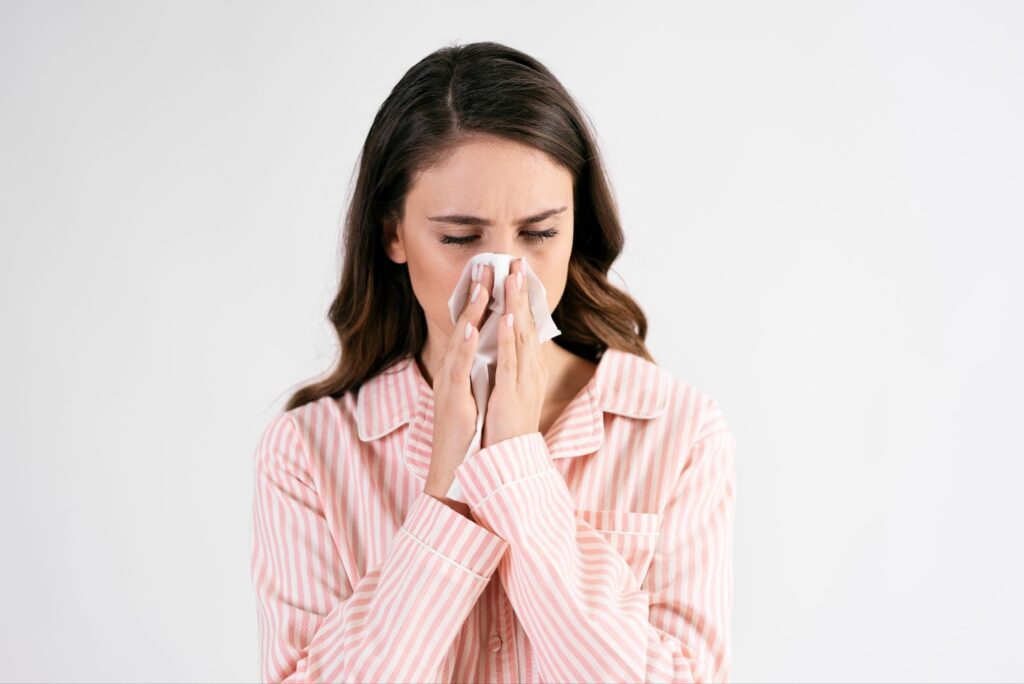
Dust and smog that enter the lungs set off a prickling burn in spots. The body tries to expel the intruders plus answers with coughs and wheezes. Asthma and chronic obstructive pulmonary disease grow worse under high pollution.
3. Shortness of Breath
With respirable air becoming scarce and the presence of lung irritants increasing, it is not surprising that people of old age, kids, and those with respiratory problems find difficulty in inhaling a large volume of fresh air, giving them sensations such as feeling out of breath and an inability to get a deep breath whenever they go out.
4. Headaches and Fatigue
In most cases, the signs of a headache and fatigue appear when the body is overexerted by stressful conditions, which is what happens when the natural pollutant levels increase.
5. Allergic Reactions
There is a strong link between allergy and air pollution, mainly because the pollutants act as the aggravators of allergens that one comes into contact with. Your eyes could be itching, your nose running, and you may want to sneeze a great deal if you have allergies; these symptoms become aggravated when the pollution dose is at its peak.
You may feel better after leaving the polluted environment, and the symptoms that you experienced previously may disappear. However, if you keep exposing yourself to the polluted air regularly, it may result in even more serious health complications.
What Happens When Air Quality is Bad?
Just a few hours of bad air quality may make one feel uncomfortable but persistently living in such an environment for weeks, months, or years can seriously jeopardize one’s health.
1. Chronic Respiratory Diseases
Steady breathing of foul air raises the odds of chronic lung ailments – asthma, bronchitis, and chronic obstructive pulmonary disease, among them. Harmful things lead to swelling of the lung parts and a drop in how well the lungs work. They are symptoms of bad air quality.
2. Heart Disease and Stroke
Air pollution affects the heart as well. Once the particles slip into the blood, they inflame vessel walls – that inflammation later underlies heart attacks and strokes. Heart as well as vascular illness linked to long-term pollutant exposure belongs to the gravest threats.
3. Lung Cancer
Fine particles and poisonous gases created by the burning of fuels lead to DNA harm in lung cells. With time, such damage can turn into lung cancer, mainly in those who get exposed to air pollution on an everyday basis.
4. Problems During Pregnancy
When exposed to pollution, pregnant women may give birth to babies with low birth weights, or they may give birth pre-term. This is because pollutants can cross the placenta and reach the fetus.
5. Weakened Immune System
When exposed to polluted air for long periods, the body becomes more susceptible to infections and illnesses such as pneumonia and bronchitis.
6. Effects on Children and the Elderly
Because of what air pollution can cause, it has a more significant effect on young children and older adults. Because their lungs and immune systems are aging, they are more likely to suffer more serious health effects.
Final Thoughts
So, what can air pollution do to humans? Polluted air is bad for health. Period. All you can do is protect yourself against it. And starts with knowing the AQI levels around you. AQISCANNER will help you find out how safe the air around you is and what preventive steps you can take to stay healthy.