
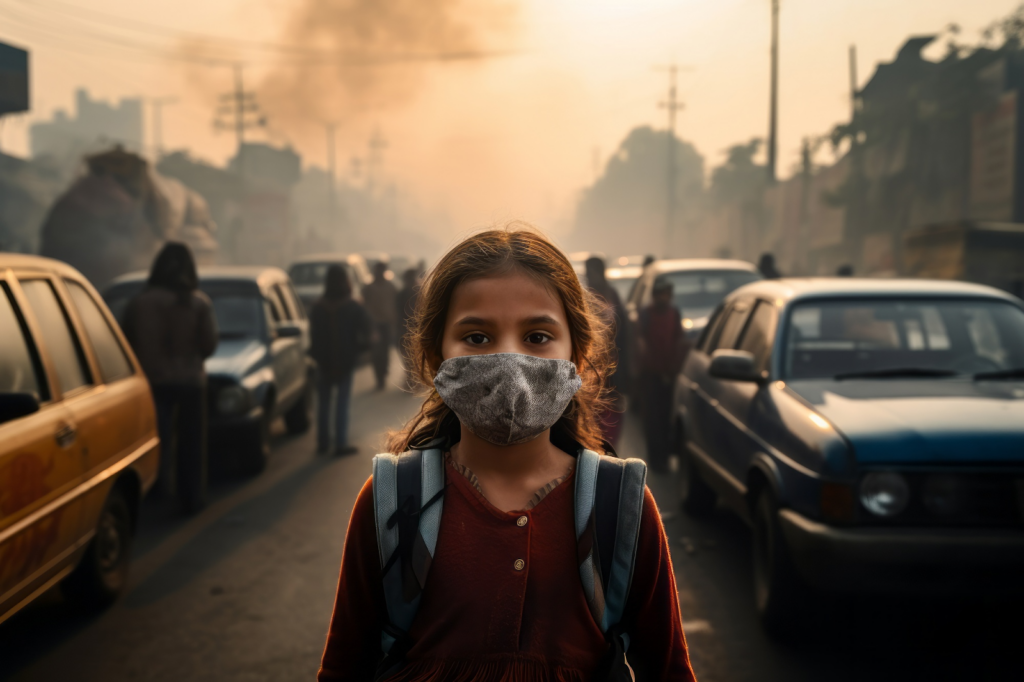
Air pollution refers to any kind of physical, chemical, or biological change in the air. It is the contamination of air by harmful gases. Humanity is not the only victim of air pollution. It is also destructive to animals, plants, and the environment. It also contributes to climate change.
Once we learn the true meaning of air pollution, we are more conscious and can take little yet significant measures in order to minimize it.
What Is Air Pollution?
Air pollution is the condition whereby air is contaminated with dangerous substances. Such materials may be gases or smoke, dust, or very fine particles that are not visible to the naked eye. When these pollutants come out of the air, it is not safe to breathe them.
Oxygen and nitrogen are the necessary elements of life and are present mainly in clean air.
However, when there is a release of toxic chemicals and particles into the atmosphere, it becomes contaminated. The effects of breathing polluted air include coughing, difficulty breathing, and long-term diseases.
Causes of Air Pollution
Here are some of its most common causes:
Vehicle Smoke
The gases emitted from jeeps, trucks, cars, buses, etc pollute the environment. These are the main sources of greenhouse gases and result in diseases among individuals.
Factories and Industries
During production, industries emit smoke, chemicals, and gases to the atmosphere. Coal and oil-burning power plants are also sources of great pollution. These emissions affect the quality of air and pollute it.
Burning of Garbage
Plastic, rubber, and household waste cause toxic smoke when they are burnt. Most of the people continue to burn garbage unaware of the harmful nature of the same. This smoke is really harmful to the lungs and may result in long-term health problems.
Construction and Dust
During construction, the dust is generated. This dust is readily dispersible in the air and it frequently results in coughs, allergies, and irritation of the eyes to those who live near it.
Examples of Pollution in Daily Life
Air pollution is not a distant problem. We experience it around us every day.
- Thick smoke on busy roads
- Smog covering cities during winter
- Bad smells near garbage dumps
- Eye burning or coughing after staying outdoors
- Poor visibility due to haze.
Types of Pollutants
Different pollutants result in air pollution.
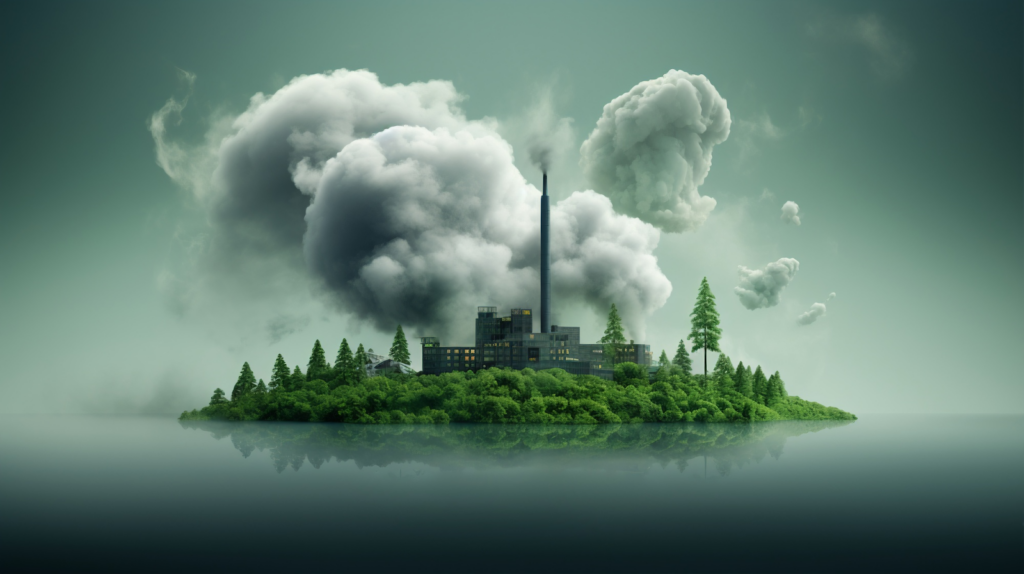
Primary Contaminants
Primary pollutants are those that directly contribute to air pollution. One of the main pollutants released by companies is Carbon Monoxide.
Secondary Contaminants
Secondary pollutants are those created when main pollutants mix and react. Smog is a secondary pollutant that is created when smoke and fog mix.
Effects of Air Pollution on Health
Air pollution may affect every person, and it may affect children, elderly, and people with preexisting health conditions.
The typical health impacts are:
- Suffocation and breathing problems.
- Asthma and lung infections
- Heart problems
- Eye and skin irritation
- Headaches and constant fatigue.
Too much polluted air can shorten life and bring serious diseases.
Simple Ways to Reduce Air Pollution
Understandng the air pollution definition can help you to reduce it and enhance air quality. Minor shifts may as well be used to improve the quality of air.
- Take transportation or commute by car.
- Stroll, walk, take short walks.
- Avoid burning garbage
- Save electricity at home
- Plant more trees
- Choose clean energy whenever possible
If more people follow these habits, the impact can be significant.
Conclusion
Air pollution is defined as a combination of unhealthy substances that may be present in the atmosphere thus making the atmosphere unbreathable. The key contributors are the establishment of industries, dust, waste combustion, and automobiles. Air pollution impacts negatively on us, the environment, and the earth overall.
To monitor and understand air quality better, visit AQISCANR.