
Air can be described as something that we utilize daily in our lives. We inhale it unconsciously. Yet, have you ever questioned what is air quality and why it is an issue of so necessary discussion today? Air quality contributes significantly to our health, surrounding and comfort of our living conditions. We will learn in simple terms.
What Is Air Quality?
So, what does air quality mean in everyday life? Air quality can be defined as the state of either clean or polluted air. It informs us that the air is either healthy or unhealthy. Poor air is full of harmful substances, whereas in clean air, substances are minimal, and they may lead to breathing complications and other diseases.
Quality of air may vary at the area and in various times of the day. Air quality is influenced by traffic, factories, weather, and other natural occurrences, such as wild fires. That is why air quality is regularly monitored and inspected, particularly in cities.
Air Quality Index
AQI is a way of describing air quality by governments and other environmental agencies. The AQI enables a person to assess the quality of air using numbers and colors, which represent healthy, moderate, or unhealthy air. The higher the AQI, the more the air is polluted, and the contrary.
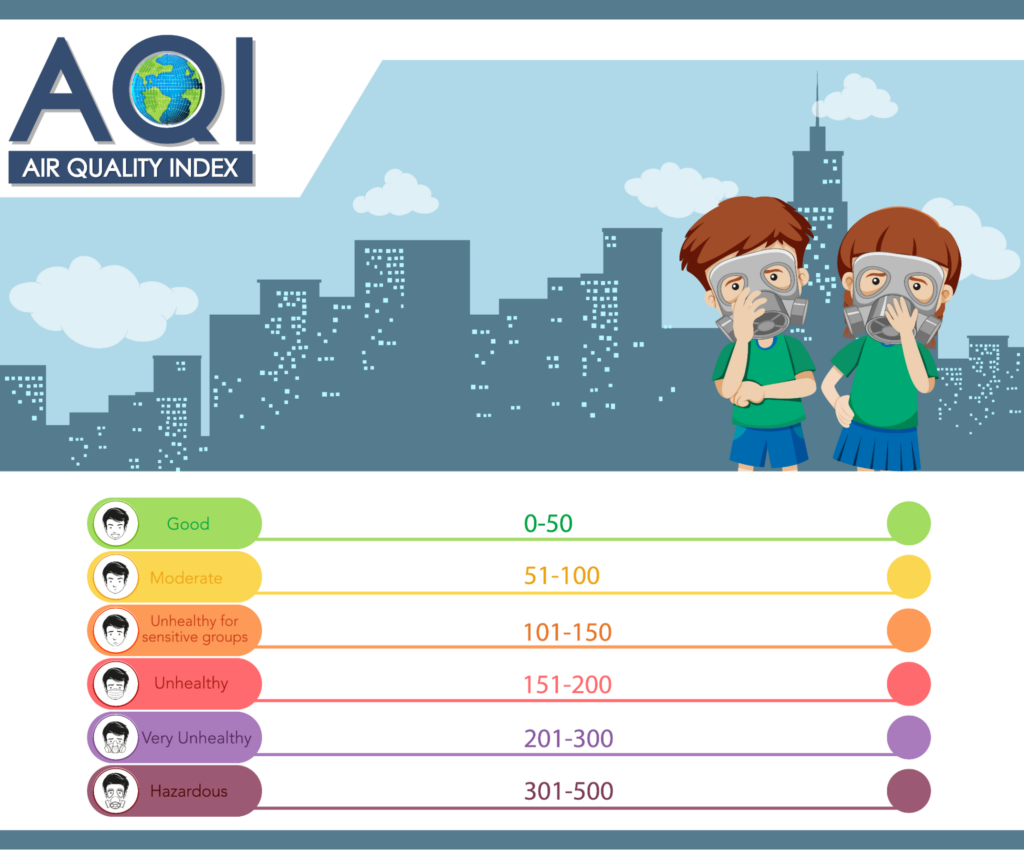
Such a conception of air quality can induce people to resort to some precautions, including staying at home or wearing a mask in case of a high level of pollution.
Why Air Quality Matters for Health
You should understand what is meant by air quality because it has a direct impact on our health. The immediate consequences of inhaling contaminated air are coughing, headache, and fatigue. In the long run, poor air quality can lead to significant health issues such as asthma and lung disease as well as heart problems and life shortening.
Children, expectant women and the elderly are more vulnerable to air pollution. Bad air can take its toll even with healthy adults who are exposed to such air over a long period. Clean air enables the lungs to work better and maintain good immune system.
Why Air Quality Matters for the Environment
Air quality does not solely impact on people. It also affects the climate, animals and plants. Contaminated air may damage agriculture, forest, and water. Air pollution leads to acid rains, which destroys the soil and vegetation.
As we get to know what air quality means to nature, we get to know that clean air supplies balanced ecosystems. Proper air quality would enable plants to grow and enable animals to live in healthier environments.
How Air Quality Affects Daily Life
Even basic everyday things can be affected by the quality of air. When the quality of air is low, you can skip physical activity, postpone trips, or shut windows. Schools can restrict outdoor play of children, and offices can recommend work from home.

The definition of air quality assists you in making wiser decisions. Daily reports on air quality will allow you to manage your day more efficiently and take good care of your health.
How We Can Improve Air Quality
Improving air quality starts with small actions. Public transport, energy conservation, planting of trees, and waste burning can also help a lot. It also helps to support clean energy and adhere to the rules of pollution control.
The more you know what air quality is, the more they know what they are doing and how it affects the air that we all breathe.
Conclusion
In conclusion, the concept of what is air quality is not complicated but potent. It informs us about the quality of air and its safety to breathe. Being informed of the meaning of air quality assists us in safeguarding our future, environment and health. The definition of air quality helps us to remember that clean air is not a luxury it is a need. When we worry about air quality, we do a step towards improving and healthier life of all.
To monitor and understand air quality better, visit AQISCANR.